After a long workout or a tough game, an ice-cold sports drink can feel like the perfect reward. Gatorade, Powerade, and similar beverages are marketed as tools for hydration and recovery, and plenty of kids and adults reach for them without a second thought. But if you care about your dental health, you should know about the effects of sports drinks on teeth before you make them part of your routine.
Why Are Sports Drinks Bad for Your Teeth?
The short answer: acid and sugar. Most popular sports drinks have combinations of both in concentrations high enough to do real damage to your teeth over time.
The Acid Problem
Most sports drinks are highly acidic. Many fall between a pH of 2.4 and 4.5, which puts them in similar territory to soda and fruit juice. Tooth enamel begins to erode at a pH below 5.5. That means every sip you take of a sports drink creates an acidic environment in your mouth that works against your enamel.
The Sugar Problem
Many sports drinks also contain high amounts of sugar. Oral bacteria feed on that sugar and produce acid as a byproduct, which compounds the acidic damage caused by the drink itself. The result is a one-two punch of direct acid erosion plus the additional threat of acid production from bacterial activity.
How Sports Drinks Cause Tooth Enamel Erosion
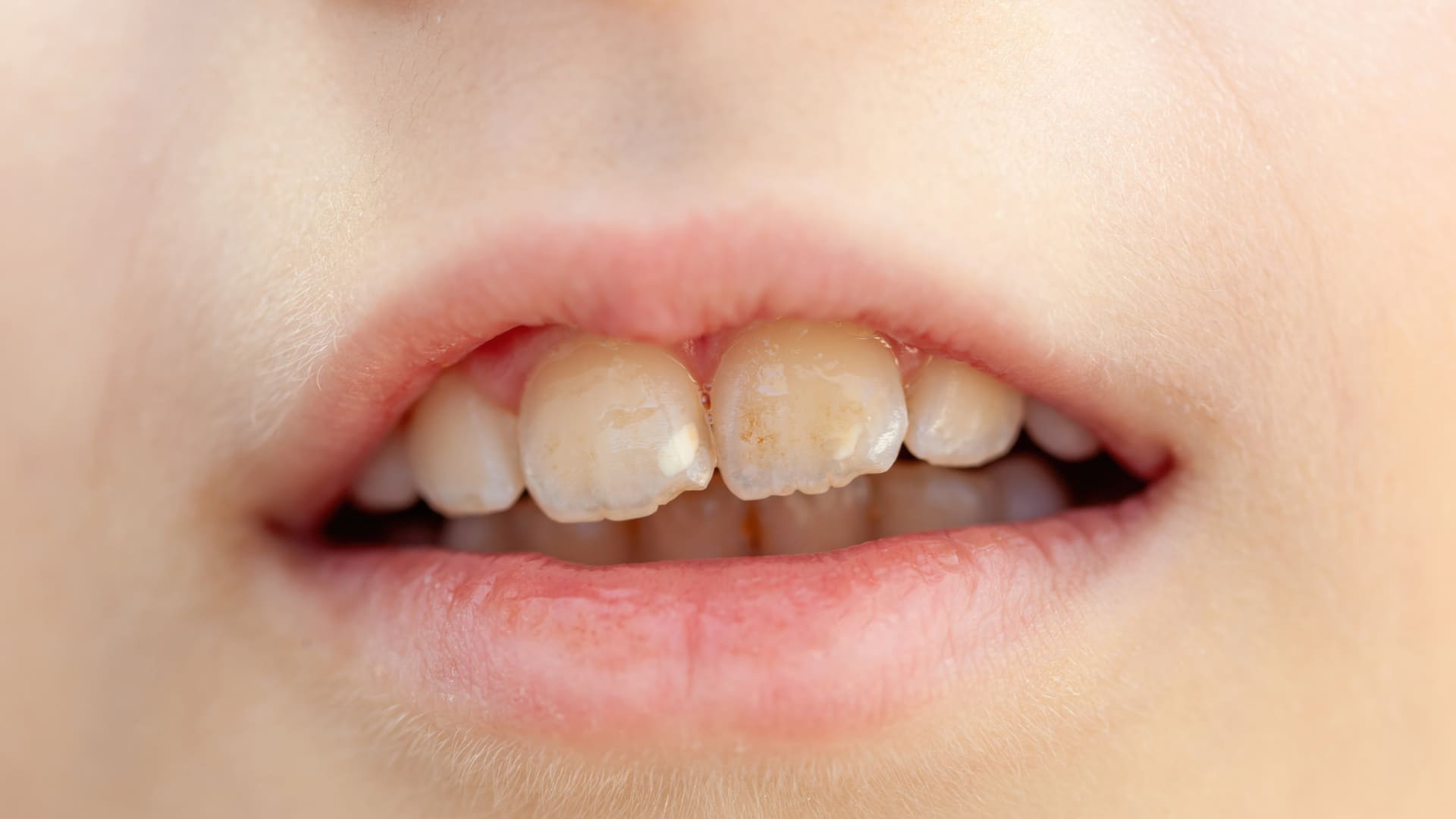
Enamel is the hard outer layer of your teeth, and your body can’t replace it once it’s gone. When you consume sports drinks, enamel erosion happens gradually, but the effects add up over time.
What Erosion Looks Like
Early tooth erosion from sports drinks can be subtle, but there are noticeable signs, such as:
- Increased Sensitivity: Exposed dentin makes teeth more reactive to hot, cold, and sweet foods. Overconsumption of sports drinks and tooth sensitivity often go hand in hand.
- A Dull or Yellowed Appearance: As our tooth enamel thins, the yellowish dentin underneath begins to show through. Tooth discoloration from sports drinks is a common sign of erosion.
- Rounded or Translucent Edges: The biting edges of front teeth can appear glassy or worn as acidic sports drinks wear down the enamel.
Kids Face a Higher Risk
When kids consume sports drinks, tooth damage tends to progress faster than it does in adults. Children’s enamel is thinner and less mineralized than adult enamel, which means it’s more vulnerable to acidic drinks and tooth enamel erosion. Frequent consumption of sports drinks during youth sports seasons can cause significant and irreversible damage.
Sports Drinks vs. Water: Which Is Safer for Your Child’s Teeth?
Water wins. It’s not even a close comparison when it comes to sports drinks and oral health.
Water has a neutral pH, contains no sugar, and actually helps you rinse away food particles and bacteria. Fluoridated water provides an additional layer of enamel protection.
Sports drinks do offer electrolytes and carbohydrates that can support performance during prolonged, intense activity. But for most youth athletes, water handles everyday hydration just fine.
The American Academy of Pediatric Dentistry (AAPD) recommends fluoridated water as the preferred beverage for young children outside of meals and snacks. The AAPD also identifies dehydration as a contributor to dental erosion, but notes that acidic drinks, like sports drinks, can exacerbate its effects.
If your child participates in youth sports, talk to their pediatrician or dentist about whether sports drinks are truly necessary and, if so, how to minimize their dental impact.
How to Protect Your Teeth If You Drink Sports Drinks
If sports drinks are part of your routine, you can take steps to reduce the damage to your teeth:
- Rinse with Water Immediately: After you finish a sports drink, rinse your mouth with water to dilute the acid and wash away residual sugar.
- Wait Before Brushing: If you brush right after drinking an acidic beverage, it can spread softened enamel around. Wait at least 30 minutes before you brush.
- Use a Straw: Drinking through a straw reduces direct contact between the drink and your teeth.
- Limit Frequency and Duration: When you sip a sports drink over several hours, it’s harder on your teeth than drinking it quickly. Think of it as an occasional treat, not an all-day habit.
- Stay on Top of Dental Visits: Regular checkups allow your dentist to catch early signs of enamel erosion before the damage becomes severe.
Talk to Your Dentist About Protecting Your Enamel
Enamel erosion prevention starts with awareness, but it doesn’t stop there. At Babylon Dental Care, our team provides comprehensive general and preventive dental care for patients of all ages at our offices in West Babylon and Patchogue. If you’re concerned about sports drinks and tooth decay, or you’ve noticed signs of tooth sensitivity or discoloration, we’re here to help. Click here to see our latest openings and arrange an appointment, or call us today at (631) 983-6665 to learn more.