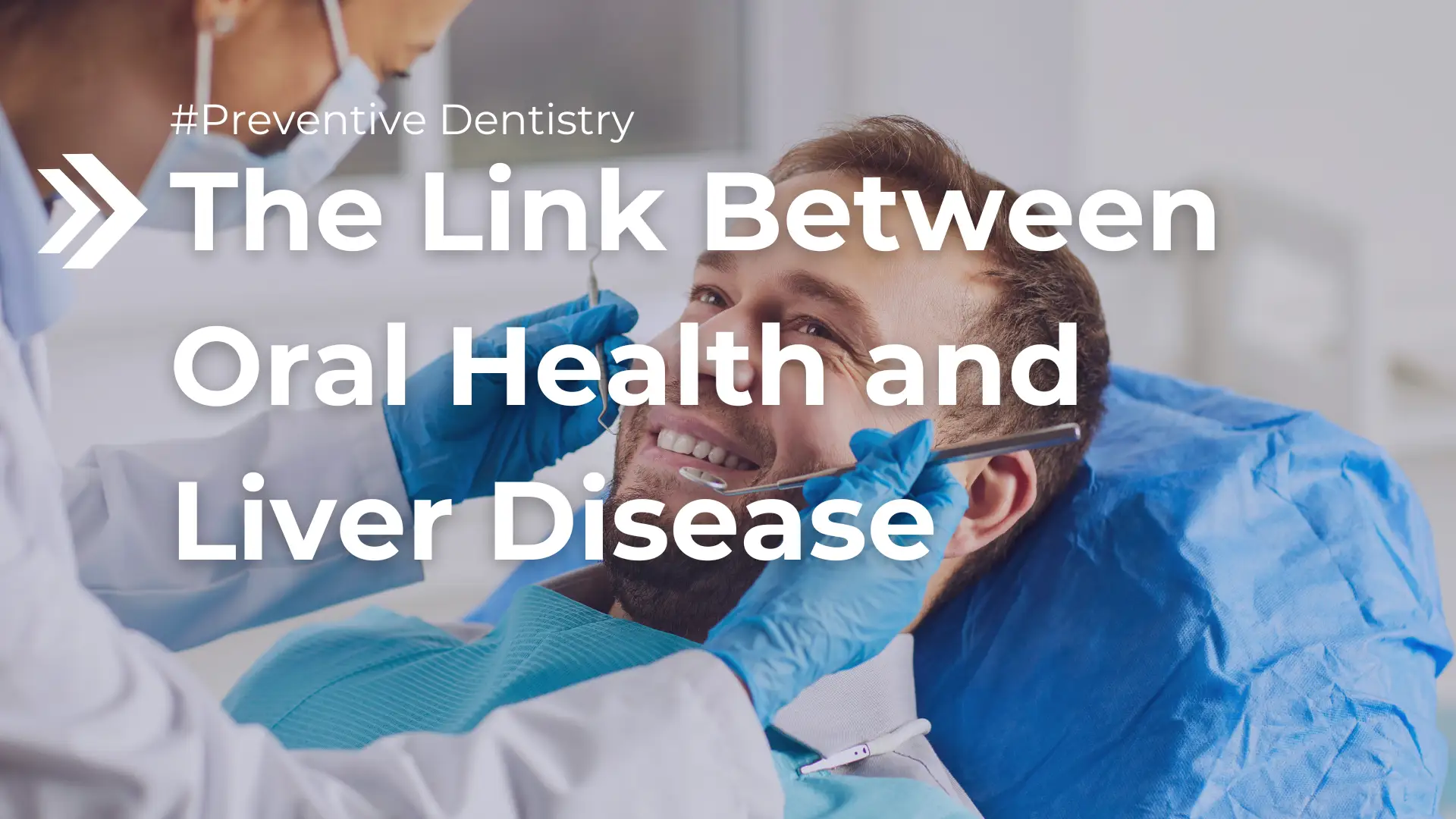
Many people look at oral health and overall health as separate issues. However, research continues to show strong connections between the mouth and the rest of the body, including the liver. The health of your gums and teeth can influence how well your liver performs its vital functions and how your body responds to disease.
If you want to protect your long-term health, you must understand the relationship between oral health and systemic disease, including the connection between gum disease and liver health.
How Gum Disease Is Linked to Liver Health
Gum disease, also known as periodontal disease, is an infection of the gum tissue that begins with bacteria-filled plaque buildup along the gum line. As these bacteria accumulate, they can cause inflammation, bleeding, sensitivity, and gum recession. Eventually, they will leave the mouth and enter the rest of the body.
Everyday activities such as chewing or brushing can allow oral bacteria to enter the bloodstream. Once inside, these bacteria can travel to the liver and trigger immune responses. Over time, this constant exposure may worsen existing liver conditions or contribute to liver damage.
Studies have linked gum disease and liver health issues, including:
- Non-alcoholic fatty liver disease risk
- Cirrhosis
- Chronic hepatitis
- Elevated liver inflammation markers
People with liver disease often experience weakened immune systems. That weakness makes it harder for the body to fight oral infections, which creates a harmful cycle; gum disease worsens liver stress, and liver disease worsens oral health problems.
Role of Inflammation in Gum Disease and Liver Problems
Inflammation and liver function are closely connected to gum disease. When gums become infected, the body triggers an inflammatory response to fight the infection. This inflammation does not stay localized if the infection continues to progress without treatment.
Chronic gum inflammation increases levels of inflammatory markers throughout the body. The liver must process these inflammatory signals while performing its normal detoxification duties. Over time, the extra burden placed on this vital organ can damage liver cells and reduce liver function.
This inflammatory response may lead to:
- Increased liver scarring
- Faster progression of liver disease
- Higher risk of systemic complications
- Greater difficulty controlling chronic conditions
Inflammation also disrupts insulin regulation and fat metabolism. These disruptions contribute to metabolic conditions that commonly affect liver health. By addressing gum inflammation early on, patients can reduce this significant source of systemic stress on the body.
Why Maintaining Oral Health Supports Liver Health

Good oral hygiene does more than protect your beautiful smile. It reduces bacteria, limits inflammation, supports immune balance, and protects your overall health. Reducing bacteria and limiting inflammation can directly help the liver perform its essential functions, which, in turn, protect the rest of your body from toxins and infections.
Consistent dental care supports liver health in several ways, including:
- Reduces Harmful Bacteria: Bacteria-filled plaque can build up in your mouth and eventually enter your bloodstream if you don’t maintain a strong oral hygiene routine. That includes brushing twice a day and flossing once a day, every day.
- Controls Inflammation: Inflamed gums can ultimately lead to systemic inflammation. The more inflammation in your body, the more immune stress your liver faces. Protect your gum health by flossing every day and visiting your dentist for a routine cleaning every six months. Remember that healthy gums stay firm and pink, not swollen and bleeding.
- Supports Immune Function: Poor oral hygiene puts unnecessary strain on your immune system, which can, in turn, put unnecessary strain on your liver. That strain can become even more significant for patients with liver disease. Protect your immune system by reducing the number of oral bacteria it has to fend off.
- Detects Problems Early: Regular dental visits allow your dentist to spot gum disease in its early stages. Early treatment prevents long-term complications and systemic effects.
Patients with known liver conditions should pay extra attention to oral health and gum disease risk factors. A proactive dental routine offers an added layer of protection.
Avoid gum disease complications by:
- Brushing twice daily with fluoride toothpaste
- Flossing every day
- Drinking water to reduce dry mouth
- Scheduling regular dental cleanings and exams
- Reports gum disease symptoms promptly
Contact Babylon Dental Care Today
Your oral health plays a bigger role in your overall wellness than you might expect. Maintaining healthy teeth and gums can reduce inflammation, support immune balance, and protect vital organs like the liver.
The team at Babylon Dental Care can help you maintain great oral health and protect your long-term overall health. Contact us online or call (631) 983-6665 today to schedule your appointment.