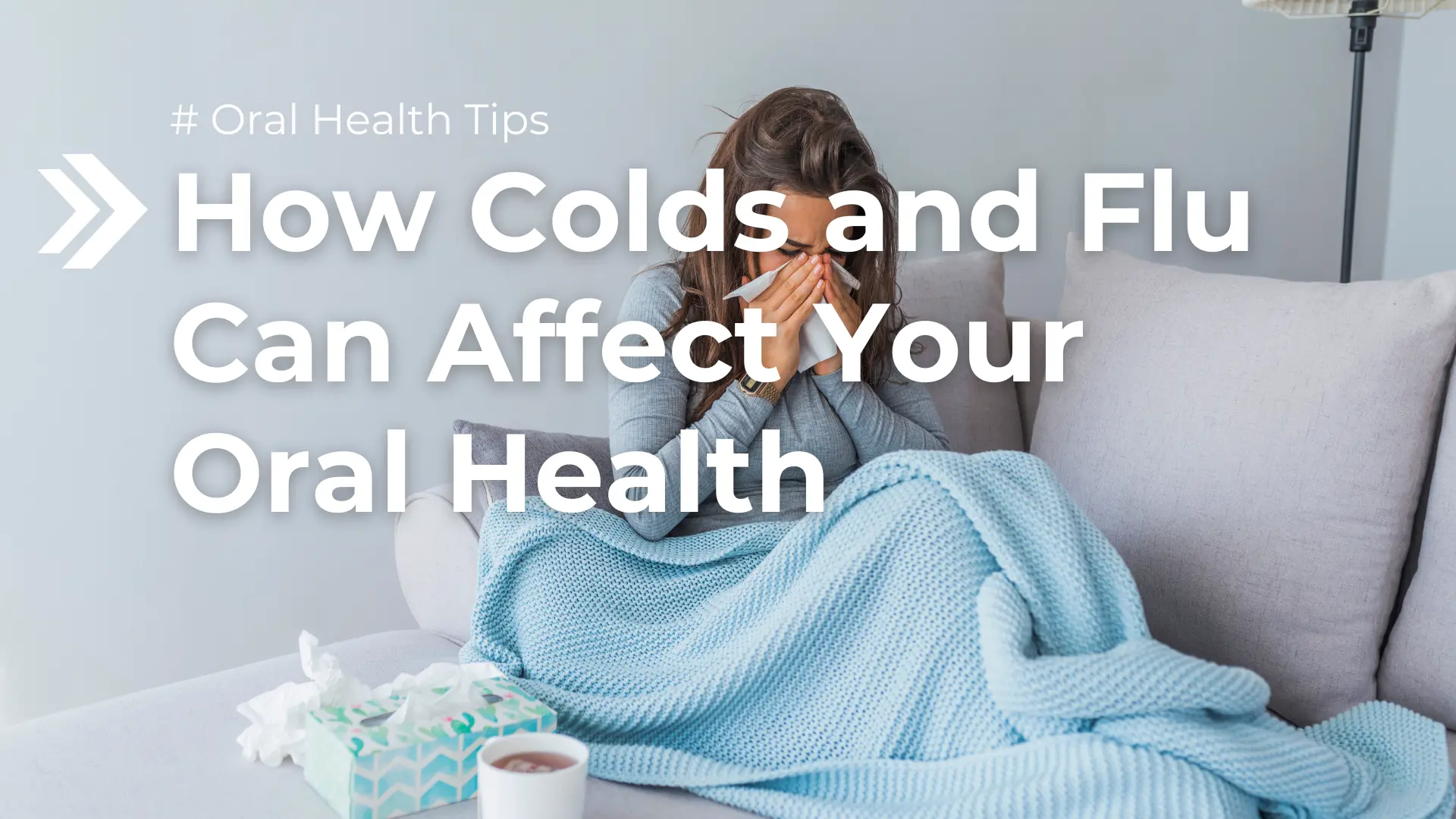
A cold or the flu can knock you out, causing pain, pressure, and a seemingly never-ending river of mucus streaming from your nose. In the moment, all you want to focus on is snuggling up in bed with a warm drink and letting your cold meds and body fight back the germ onslaught. The last thing that probably crosses your mind is how a cold or the flu can affect your oral health. When everything else hurts and makes you feel miserable, why worry about your teeth?
Being sick is never fun, but suffering from poor dental hygiene is no better. Unfortunately, what most people don’t know is that a cold or the flu can affect your oral health. At the New York office of Babylon Dental Care, we want to help you learn how illness can impact your mouth and what you can do to care for your oral health when sick so that you can get through cold and flu season like a champ.
How Colds and Flu Affect Oral Health
Cold and flu season brings with it symptoms such as sinus pressure, tooth pain, fever, coughing, discomfort, and excessive mucus. However, cold and flu germs can also lead to oral health issues that you may not even be aware of.
One of the most apparent ways that cold and flu season affects oral health is sensitivity and tooth pain. Tooth pain is common when cold or flu germs cause inflammation and pressure in the sinuses. Typically, sinus pressure impacts the upper teeth closest to the sinus cavities, causing pain that can feel like a toothache, even though the tooth may be healthy.
If you’re experiencing flu symptoms or a stomach bug, be aware of the increased risk to your oral health. Stomach acid is highly corrosive because it must break down the food you eat. Vomiting when sick can slowly erode the enamel of your teeth, increasing the risk of tooth decay.
Overall, a cold or the flu can also hurt your oral health because it weakens your immune system. While your body is fighting off cold and flu germs, it can make it harder to control oral bacteria colonies in the mouth, which can lead to gingivitis and other oral health problems, such as cold sores or lesions.
Why Dry Mouth Is Common When You’re Sick
A more subtle way that oral health changes during illness is caused by how a person breathes when they are sick. When congestion, pressure, and inflammation affect the sinuses, it can cause breathing difficulties, especially at night. People tend to switch to mouth breathing instead. Mouth breathing reduces saliva flow, leading to a dry mouth. Saliva is essential for good oral health because it helps neutralize acids and wash away bacteria. There is a higher risk of cavities when saliva is reduced.
Sore throat and coughing can also cause issues with dry mouth because the pain may prevent individuals from drinking water or other fluids. Persistent coughing and throat irritation can also lead to muscle tension and jaw pain.
Medications And Remedies That Can Impact Teeth And Gums
While cold and flu medications can help ease symptoms, many of the active ingredients in these over-the-counter drugs also cause dry mouth, which can lead to oral health issues. Decongestants and antihistamines are the most common culprits of dry mouth.
Liquid medications can also affect teeth and gums, as they often contain a high amount of added sugars, which can nourish bacterial colonies in the mouth and contribute to gum issues and tooth decay. These medications may also be acidic, which can erode tooth enamel.
Oral Hygiene Tips to Follow During a Cold or Flu

It’s always been solid advice. To help your body recover from a cold or the flu, drink plenty of fluids and stay hydrated. This advice also applies to your oral health. Hydration helps combat dry mouth and can wash away acid and sugars on the teeth after taking medications or vomiting. Using a humidifier to help keep the air moist, especially if you breathe through your mouth, can also be beneficial.
When choosing medications to help ease your symptoms, look for sugar-free products. If you have to go with drugs that have added sugar, rinse your mouth with water to help rinse away the excess sugar.
Additionally, consider caring for your toothbrush after coming into contact with a cold. That means tossing it and getting a new one. Replacing your toothbrush after recovery can help prevent reinfection and the spread of germs throughout the mouth and throat.
Get Well and Then Get a Dental Appointment
First, focus on getting healthy. Next, schedule a routine dental check with the compassionate team at Babylon Dental Care to ensure your oral health is on track after recovery.
Contact our New York office online or call us at (631) 983-6665 to schedule an appointment.