Intermittent fasting has become a popular practice among people looking to lose weight or improve their fitness. However, many people who practice intermittent fasting don’t realize how it can affect their oral health. Make sure you understand these effects to avoid potentially severe dental health issues.
How Intermittent Fasting Can Affect Oral Health
Some ways that intermittent fasting can affect your oral health include:
- Dry mouth – Many people who do intermittent fasting drink less fluid than they need during fasting periods. Reduced hydration lowers saliva production, and saliva plays a critical role in neutralizing acids and washing away bacteria.
- Bad breath – Fasting triggers a metabolic state called ketosis in many people. The body produces ketone compounds during this process, and these compounds frequently cause a distinct, unpleasant breath odor.
- Increased acid exposure – Some people consume large amounts of coffee or tea during fasting windows. Both beverages are highly acidic and can erode the enamel, the outermost layer of teeth. Enamel erosion is particularly troublesome when saliva production is already low due to dehydration or other causes related to intermittent fasting.
- Changes in bacterial activity – Fasting alters the oral environment by changing saliva flow and pH levels. (The pH level in your mouth refers to how acidic it is.) These shifts can influence which bacterial strains thrive in your mouth, potentially increasing your risk of developing cavities or gum disease.
- Enamel sensitivity – As we noted earlier, reduced saliva and increased acid exposure can wear down enamel over time. Accordingly, many intermittent fasters notice increased tooth sensitivity, particularly to hot and cold temperatures.
Bad Breath During Intermittent Fasting – What Causes It?
Bad breath during intermittent fasting is one of the most common complaints dentists hear from patients who try this dietary approach. There are several reasons why intermittent fasting can cause this issue.
The most significant cause is ketosis. When your body burns fat for fuel instead of carbohydrates, it produces ketone bodies. Your lungs expel one of these ketones, called acetone, through your breath. For many people, expelling acetone produces a distinctly sharp or fruity odor that can be difficult to manage.
Reduced saliva flow can compound this problem for intermittent fasters. Saliva naturally cleanses your mouth and controls bacterial growth. When saliva production drops during fasting, bacteria multiply more freely. More bacteria in the mouth means more production of odor-causing compounds.
Oral Hygiene Tips That Work With Your Fasting Schedule
Practicing good oral hygiene while you’re intermittently fasting can help you minimize bad breath and other potentially harmful effects. Here are some suggestions to keep in mind:
- Drink plenty of water during fasting windows – Staying hydrated while fasting supports healthy saliva production. Proper hydration also helps rinse bacteria and food debris from your mouth. Sip water consistently throughout the day, rather than drinking large amounts all at once.
- Brush after your eating window closes – Brushing shortly after your last meal of the day helps remove food particles and disrupts bacterial biofilm before your overnight fast begins.
- Use sugar-free gum or mints strategically – Chewing sugar-free gum stimulates saliva production during fasting periods. This technique helps combat dry mouth and freshens your breath without breaking your fast.
- Limit acidic beverages during fasting windows – Coffee, tea, and sparkling water are popular fasting-friendly drinks, but their acidity can wear down tooth enamel over time. Rinse with plain water after consuming these drinks to help neutralize their effects.
- Use an alcohol-free mouthwash – Alcohol-based mouthwashes can worsen dry mouth. Alternatively, choosing an alcohol-free formula helps freshen your breath and reduces bacteria without further drying out your oral tissues.
When to Talk to Your Dentist About Fasting-Related Oral Health Issues
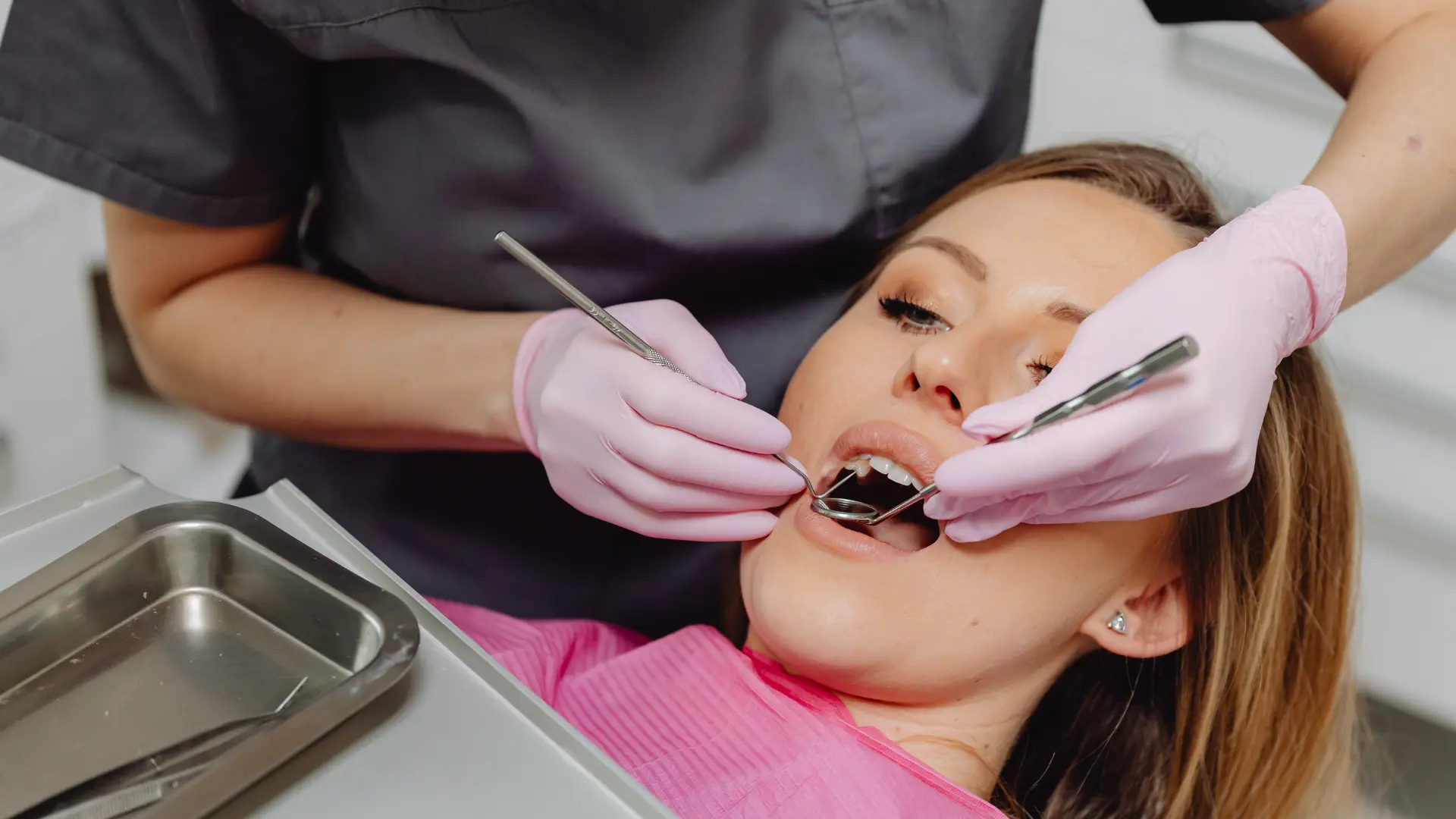
Some oral health changes during intermittent fasting are mild and manageable on your own. However, others deserve a conversation with your dentist.
For instance, it’s worth scheduling a dental visit if you notice persistent dry mouth. Likewise, you should contact your dentist if you experience increased tooth sensitivity, bleeding gums, or visible changes in your gum tissue. These symptoms are often signs of developing problems requiring professional attention.
Babylon Dental Care Is Here for All Your Oral Health Needs
Intermittent fasting can be an effective tool for overall health, but your smile deserves attention, too. Regular checkups with the Babylon Dental Care team help keep minor issues from turning into bigger, more costly problems down the road. With one office in West Babylon and another in Patchogue, we serve patients throughout Long Island and the greater New York region. Call now or complete our contact form to schedule an appointment.