
You’re likely very familiar with ways in which stress can affect your mood and sleep. But did you know it can also take a toll on your oral health? Believe it or not, stress and teeth grinding often go hand in hand – and the combination can potentially cause lasting dental problems. If you’ve been waking up with a sore jaw or noticing increased tooth sensitivity, you may feel concerned, especially if you don’t know what’s causing these symptoms.
Thankfully, you can take steps to protect your teeth and prevent further damage. The first step toward finding relief and maintaining a healthy smile is understanding how stress affects your mouth.
How Stress Shows Up in Your Mouth
Stress affects your body in ways you might not immediately recognize. Your mouth and jaw are no exceptions – when you’re anxious or under pressure, you may unconsciously tighten your jaw muscles and press your teeth together. This behavior, called bruxism, involves clenching or grinding your teeth, and it can happen while you’re awake as well as while you’re asleep. While researchers haven’t fully established the causes of bruxism, stress and emotional distress are among several factors associated with the behavior.
Stress-related oral health problems can take a variety of forms. While these symptoms don’t automatically point to stress as the cause, they may warrant a closer look at your oral health and what might be affecting it:
- Teeth Grinding and Clenching – Many people clench their jaws during stressful situations. Others grind their teeth while sleeping, when they have little control over their movements.
- Jaw Pain and Stiffness – Repeated muscle tension can cause soreness, fatigue, and difficulty moving your jaw comfortably.
- Headaches – Prolonged clenching can strain the muscles around your temples and contribute to recurring headaches.
- Dry Mouth – Certain medications used to manage stress and anxiety can reduce saliva production and increase the risk of cavities.
- Gum Problems – Stress may affect your body’s immune response and make it harder to fight infections associated with gum disease.
- Mouth Sores – Emotional stress may contribute to canker sores and trigger cold sore outbreaks in susceptible individuals.
Signs You’re Clenching or Grinding Without Realizing It
You might not realize you’re grinding your teeth, especially if it happens while you sleep. Even daytime jaw clenching can become an unconscious habit when you’re concentrating or feeling anxious. Although some symptoms overlap with other dental conditions, certain warning signs may suggest bruxism:
- Your jaw feels stiff, tired, or painful when you wake up
- You experience dull headaches around your temples, particularly in the morning
- Your teeth hurt when exposed to hot, cold, or sweet foods
- Your jaw makes unusual sounds when you chew or open your mouth
- A partner hears grinding noises while you’re asleep
- You notice flattened biting surfaces, chipped edges, or unusual wear
You may also catch yourself pressing your teeth together during stressful moments. If these symptoms sound familiar, a dentist can help determine whether bruxism may be responsible.
The Damage: Worn Enamel, Cracked Teeth, and Receding Gums
Occasionally grinding your teeth may not cause lasting problems. However, frequent or forceful grinding can gradually damage your teeth. Without treatment, the following types of harm may have permanent effects:
- Worn Enamel – Enamel is the hard outer layer that protects your teeth. Repeated grinding creates friction that gradually wears this protective covering away. As enamel thins, your teeth may become more sensitive to temperature changes, and you might notice flattened biting surfaces or teeth that appear shorter than before. Unlike other tissues, tooth enamel cannot regenerate. Once it’s gone, dental treatment may be necessary to restore worn-down teeth.
- Cracked Teeth – Clenching and grinding place considerable pressure on your teeth. Over time, that pressure can produce small fractures or worsen existing weaknesses. A cracked tooth from grinding may cause sharp pain when chewing, particularly when you release your bite. While some cracks remain superficial, others extend deeper into the tooth. Severe fractures may be repaired with crowns or root canal treatment, but in some cases the tooth may need to be extracted.
- Receding Gums – Gum recession occurs when gum tissue pulls away from your teeth and exposes more of their surfaces or roots. Although grinding doesn’t directly cause most cases of gum recession, the excessive force of biting may contribute to problems that affect the tissues that support your teeth. Gum disease and aggressive brushing are more established causes. A dentist can identify the underlying problem and recommend the appropriate treatment.
Protecting Your Teeth: Night Guards, Habits, and Stress Relief
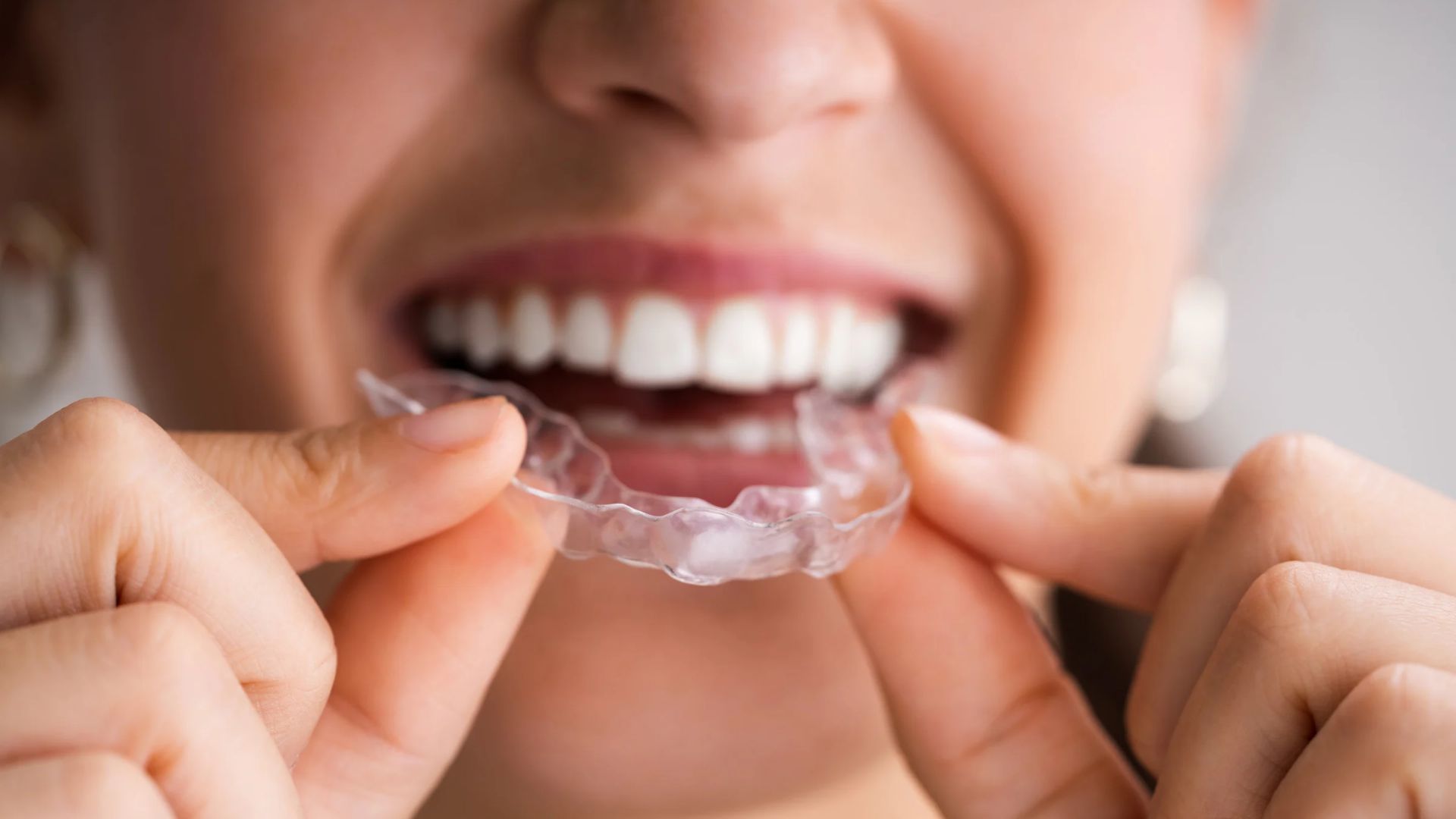
If stress is contributing to your teeth grinding, the good news is that there are several strategies that can help protect your smile and reduce your discomfort. The right approach depends on when you grind your teeth, how severe the problem is, and what’s causing it:
- Custom Night Guards – A dentist can create a custom night guard that fits your teeth and protects them from the force of grinding while you sleep. Although a guard won’t necessarily stop you from grinding your teeth, it can help prevent further damage.
- Better Daytime Habits – If you struggle with daytime jaw clenching, try to practice keeping your teeth slightly apart while you’re not eating. Set reminders to check your jaw position throughout the day. If you chew gum or bite your nails, try to stop – these behaviors can place additional strain on your jaw.
- Stress Management – Getting regular exercise and improving your sleep habits may help reduce stress-related muscle tension. Deep breathing and mindfulness exercises can also help you recognize when you’re tightening your jaw.
If your symptoms persist, schedule a dental examination. Your dentist can assess the existing damage, identify possible contributing factors, and recommend additional treatment if necessary.
Get Help from Babylon Dental Care
If you’re dealing with stress and teeth grinding is causing pain in your teeth and jaw, the experienced dentists at Babylon Dental Care are here to help. When you visit one of our offices, we can discuss the symptoms you’re experiencing and support your healing process through diagnosis and treatment. Call (631) 983-6665 or contact us online to schedule an appointment.