
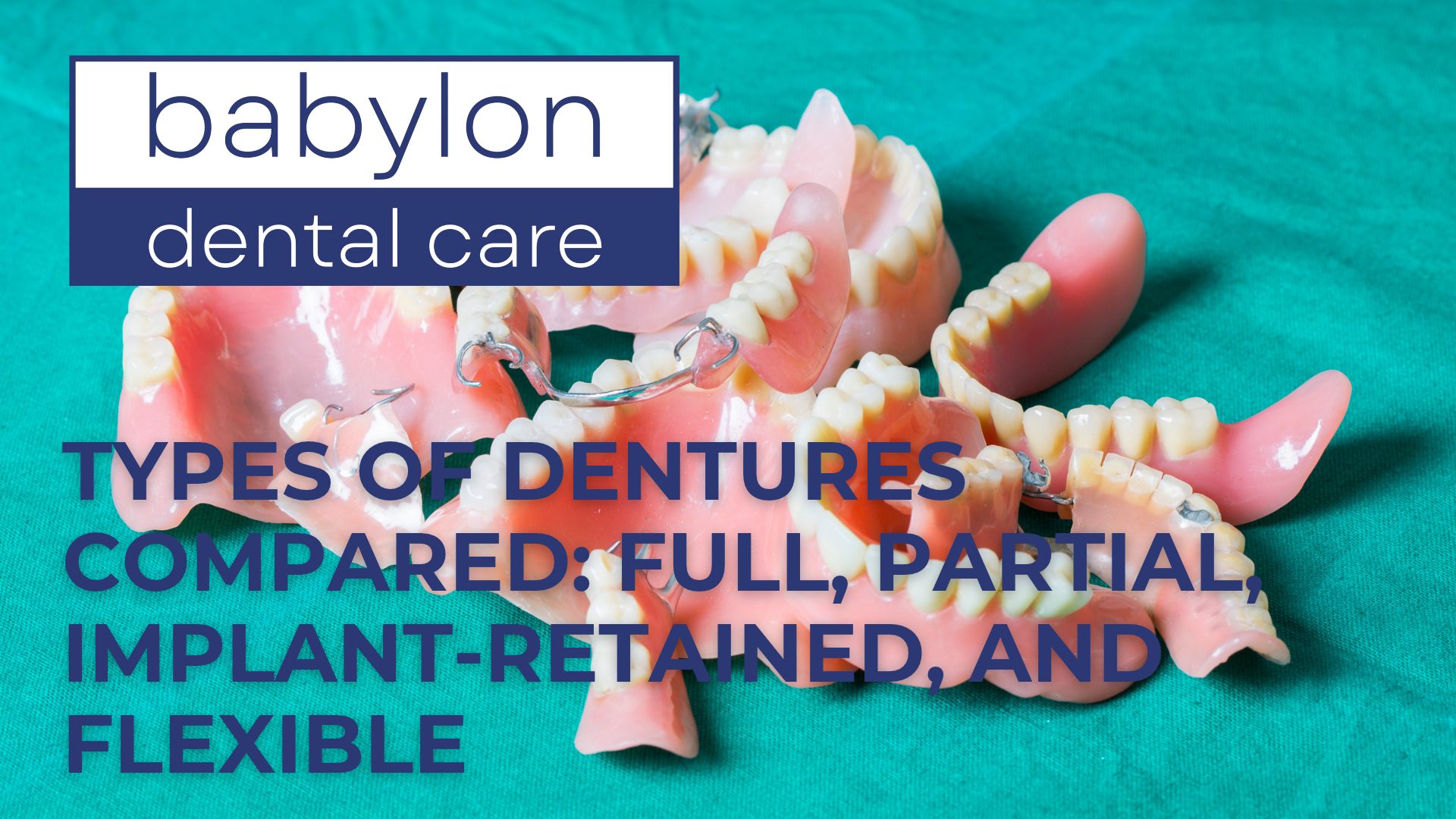
Missing teeth can affect more than how you feel about your smile. It can also affect how you eat and speak. Fortunately, there are several types of dentures on the market that can help restore your smile and improve your everyday comfort. From traditional full and partial dentures to implant-retained and flexible options, each offers distinct benefits.
Which one is right for you? The ideal choice depends on your oral health, the number of teeth you’re missing, and your personal preferences. If you learn about the differences between them, you can make a better-informed decision about replacing your missing teeth.
Full Dentures: Replacing an Entire Arch
Sometimes referred to as complete dentures, full dentures replace all the teeth in the upper or lower jaw. The artificial teeth are attached to a gum-colored base that rests against the gums and stays in place through a combination of suction and muscle control. Some people use an adhesive for further security.
There are two main types of full dentures:
- Conventional Dentures – Dentists fit these after removing any remaining teeth and allowing the gums to heal. This process may take several months.
- Immediate Dentures – Dentists place these shortly after tooth extraction, so patients don’t have to go without teeth during recovery. They typically require adjustments as the gums heal.
Full dentures can improve your ability to chew and speak, and they can also help restore your facial appearance. While they may initially feel uncomfortable or loose, regular dental visits can help maintain a proper fit as your mouth changes over time.
Partial Dentures: Filling Gaps While Keeping Healthy Teeth
If you still have some healthy natural teeth, partial dentures may offer a practical solution. In much the same way that full dentures replace an entire arch, partial dentures fill the gaps created by several missing teeth. A removable partial denture typically features replacement teeth attached to a gum-colored base. Rather than relying on suction, the denture may have a metal framework or clasps that help secure it to the adjacent natural teeth.
Partial dentures offer several benefits beyond restoring your smile. In addition to improving your ability to chew and speak, like full dentures, they also help prevent your remaining teeth from shifting into the empty spaces. Additionally, they allow you to keep your healthy natural teeth rather than replace them unnecessarily.
It’s worth keeping in mind that partial dentures may require more upkeep and monitoring than full dentures. In addition to needing regular cleaning, they may need to be adjusted from time to time if their fit changes due to the loss of additional teeth or other changes in your gums. Your dentist may also recommend removing them at night to give your gums a rest.
Implant-Retained Dentures: Stability Without the Adhesive
One common complaint about traditional dentures is that they can slip while eating or speaking. Implant-retained dentures address this problem by attaching to dental implants surgically placed in the jawbone.
These appliances, sometimes called snap-on dentures, offer a more secure fit without relying on adhesive. Certain implant-retained dentures are removable for cleaning, but other designs remain fixed in place and require professional removal. Some of the most significant benefits of implant-retained dentures include:
- Greater stability during meals and conversations
- Improved chewing ability
- Less movement and irritation against the gums
- Reduced reliance on denture adhesives
Implant-retained dentures do require adequate jawbone support. Otherwise, you may run into difficulty with the implant surgery and the healing process that follows. There’s also the issue of cost – conventional dentures are typically more affordable. To safeguard your investment, you should maintain good oral hygiene and attend regular dental appointments to protect your implants and keep your dentures functioning properly.
Flexible Dentures: A Comfortable, Metal-Free Partial Option
For patients concerned about the appearance or feel of traditional partial dentures, flexible partial dentures offer another option. These appliances use lightweight, bendable materials, such as nylon, instead of rigid metal frameworks. One popular brand, Valplast dentures, features a flexible base that adapts to the contours of the mouth. The gum-colored material also blends with the surrounding tissues, which makes the appliance less noticeable when smiling or speaking.
Many patients find flexible dentures more comfortable than conventional partials due to their lack of metal clasps. Their durability is an added bonus. Still, flexible dentures aren’t suitable for everyone. If you’re missing several teeth, they may provide less support than traditional partials. It can also be more difficult to repair and adjust them if needed. Your dentist can evaluate your remaining teeth and oral health to determine whether a flexible partial denture offers adequate support for your needs.
Which Denture Type Is Right for You?
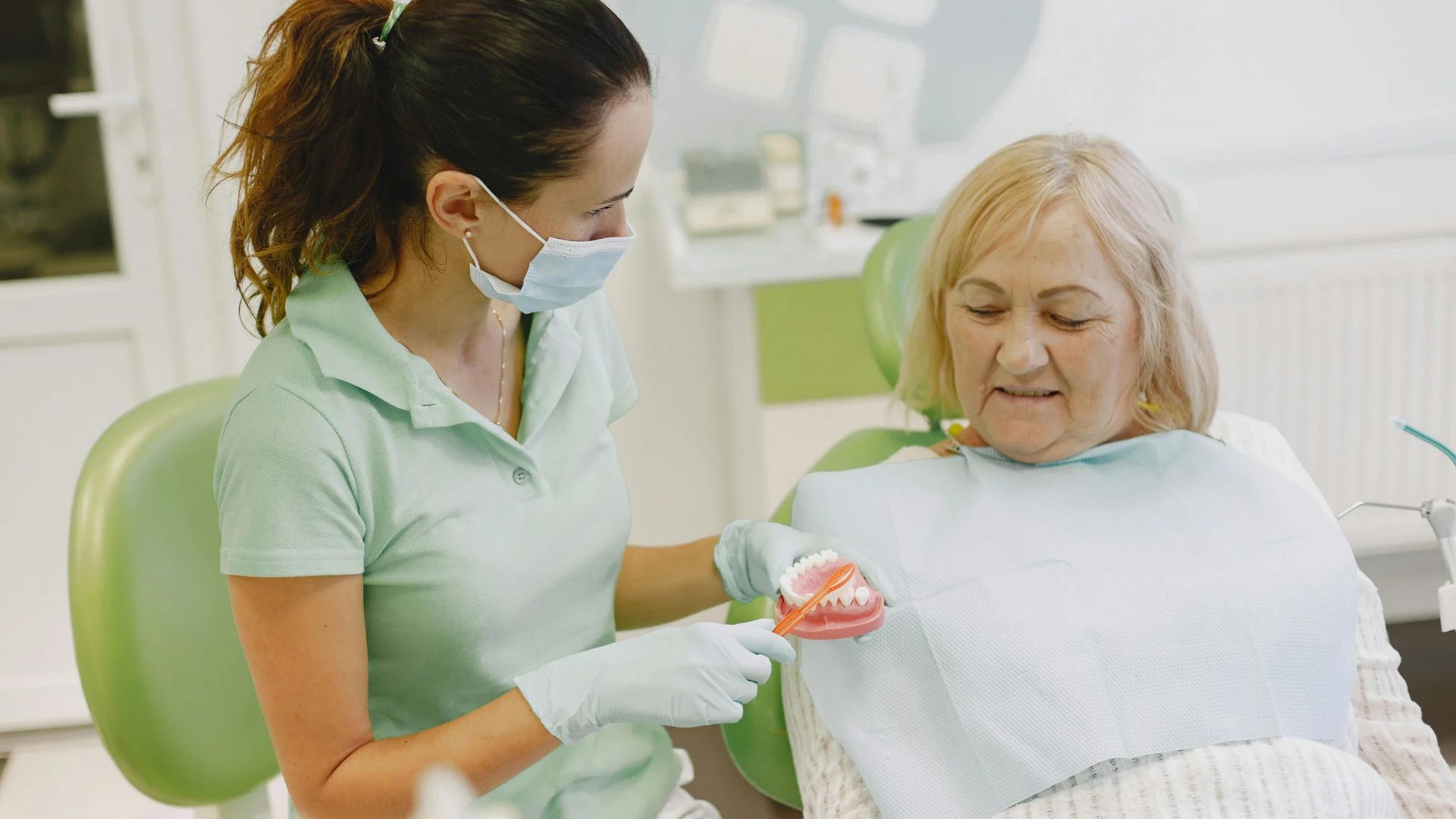
When you’re facing the decision to invest in dentures, it can be challenging to figure out which option is right for you. Ultimately, the best type of dentures for you depends on your oral health, personal preferences, and budget. Your dentist can evaluate your needs and recommend appropriate denture options based on the following factors:
- Number of Missing Teeth – Full dentures replace an entire arch, while partial and flexible dentures fill gaps between your remaining natural teeth.
- Condition of Remaining Teeth – Healthy teeth can support partial dentures. However, weakened teeth may require treatment before your dentist recommends a replacement option.
- Jawbone Health – Implant-retained dentures require sufficient bone to support dental implants. If you have significant bone loss, you may need bone grafting before implant placement.
- Comfort and Stability – Implant-retained dentures generally provide greater stability, while flexible dentures may feel more comfortable.
- Cost – Any dentures cost comparison should account for initial treatment expenses, maintenance, and potential replacements. Implant-retained options typically cost more upfront than traditional dentures.
- Lifestyle and Maintenance – Removable dentures require daily cleaning, while implant-supported options may involve additional hygiene requirements depending on their design.
Contact Babylon Dental Care to Discuss Your Options
Are you ready to learn more about whether dentures might meet your needs and discover the different types of dentures on the market? Reach out to Babylon Dental Care by calling (631) 983-6665 or filling out our contact form to schedule an appointment. We’d be happy to go over your options and make a recommendation.